

Right now, while you are reading this, your customers are on their phones.
Not on their laptops. Not at their desktops. On their phones. Scrolling, tapping, ordering, booking, checking, buying.
The average person picks up their phone over 100 times a day. They spend more than four hours inside apps. Not browsers. Not search engines. Apps.
That number matters more than most business owners realize.
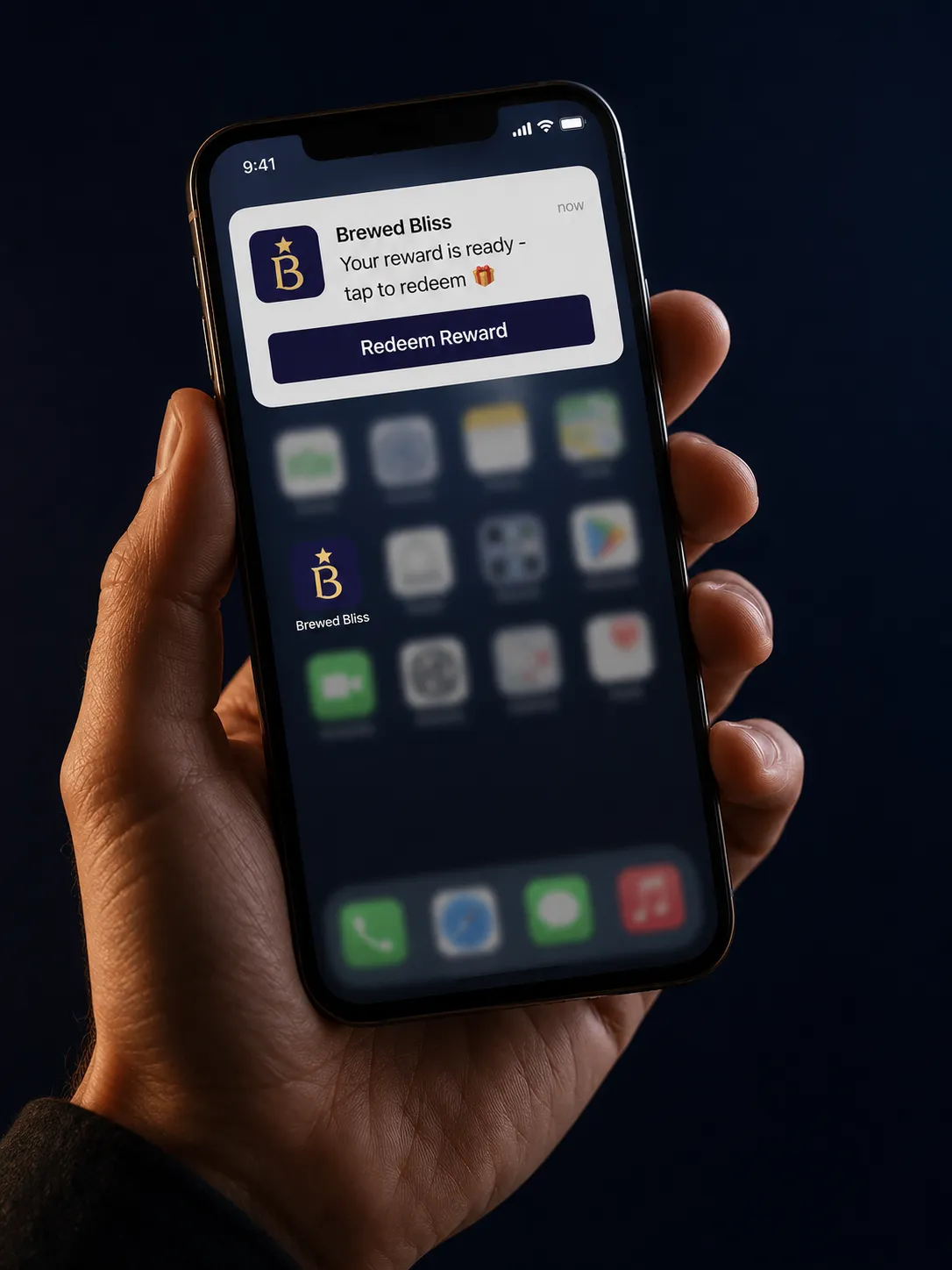
Because here is what it means in practice. Every hour your customer is inside apps, they are not thinking about you unless you are already there. And if you are not there – if your business has no presence on the device they carry everywhere, check constantly, and use to make the majority of their purchasing decisions – then you are relying entirely on them to remember you exist.
Memory is not a strategy.
The Psychology of the Home Screen
There is a reason the world’s most valuable companies – the ones that generate billions in annual revenue from individual consumers – have invested more in their mobile apps than almost anything else in their business.
It is not because apps are trendy.
It is because of what the home screen does to the brain.
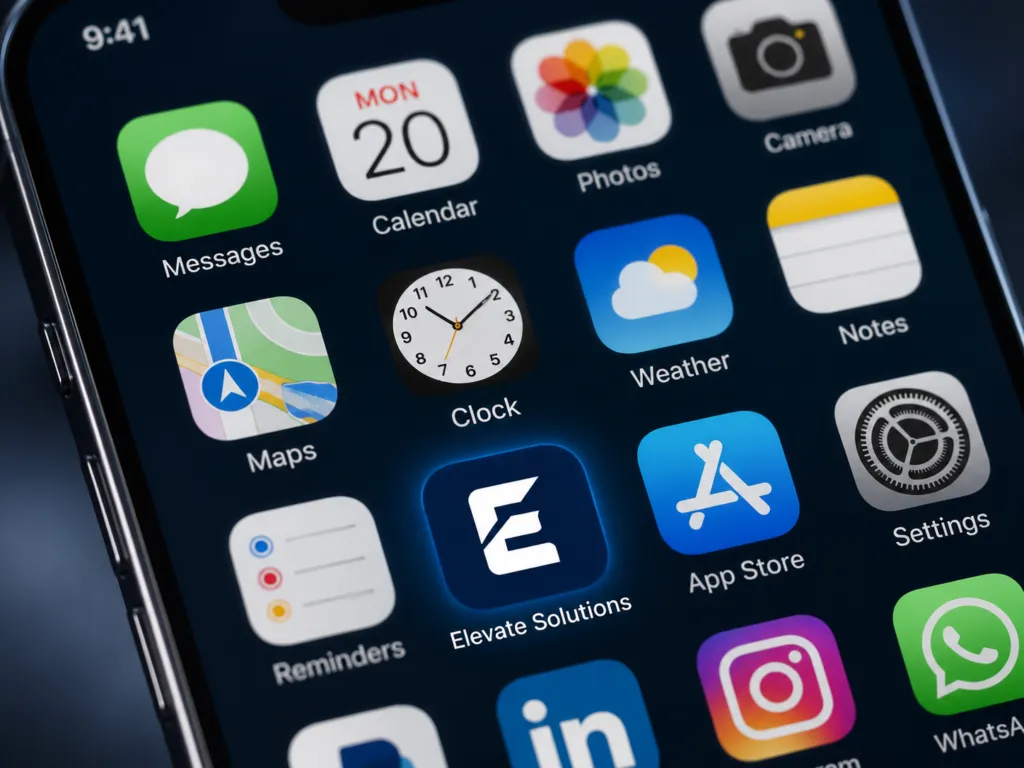
The unconscious mind builds trust through familiarity. Not through logic. Not through persuasion. Through repeated exposure. The more something appears in your environment, the safer it begins to feel. The safer it feels, the less resistance forms when you reach for it.
Your app icon, sitting on your customer’s home screen, does something your website cannot do. It creates passive familiarity without requiring your customer to do anything. Every time they unlock their phone to check a message, scroll social media, or order food, your brand appears in their peripheral awareness. Not aggressively. Quietly. Consistently.
Quietly and consistently is how trust compounds.
By the time they need what you offer, your brand doesn’t feel like a choice they have to evaluate. It feels like the obvious one. Not because you convinced them. Because you were already there.
That is what a home screen icon does. It is not decoration. It is infrastructure.
What Your Website Cannot Do
Let’s be precise about this, because most business owners treat their website and their app as interchangeable.
They are not.
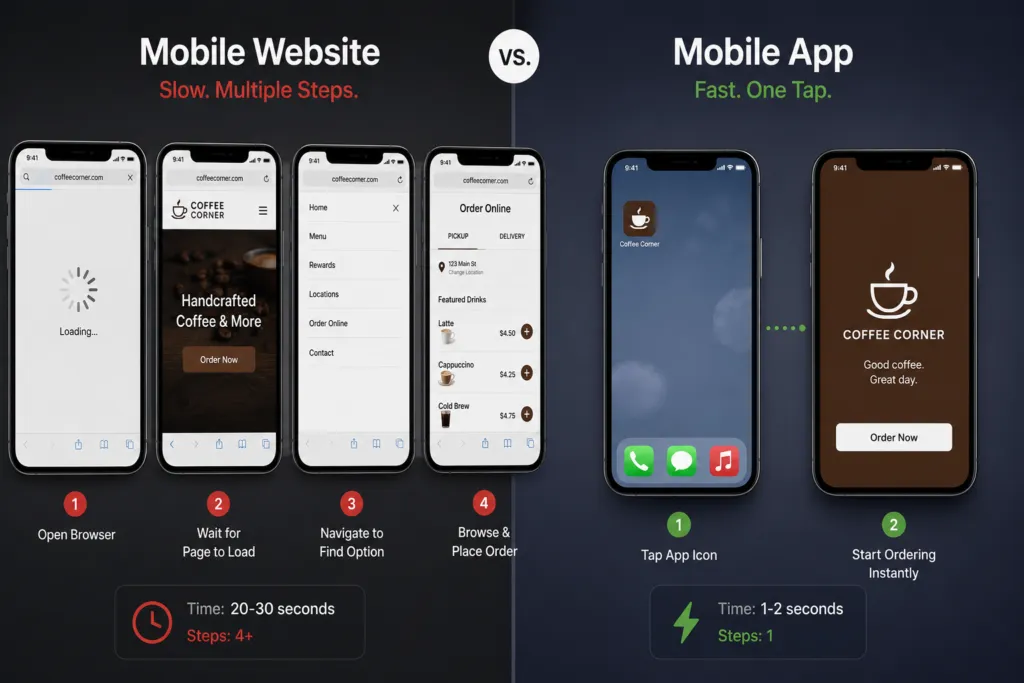
A website requires intent. Your customer has to decide they want to find you, open a browser, type your name or search for your category, navigate to your page, and then figure out what to do next. Every one of those steps is friction. Every step where friction exists is a step where the brain recalculates whether continuing is worth the effort.
People are spending an average of 4.2 hours per day using mobile apps on their smartphones. They are not spending that time on mobile websites. They are spending it in environments specifically designed to be frictionless, fast, and familiar.
An app requires one tap.
One tap from a locked screen to a completed transaction. One tap from a notification to a booked appointment. One tap from a loyalty reward alert to a repeat purchase.
The brain does not experience one tap as work. It experiences it as nothing. And when something feels like nothing, it happens automatically. Automatically is where behavior lives. Automatically is where revenue lives.
Your website is a destination. Your app is a habit.
Those are two different things. One you choose to visit. The other you don’t even think about.
Push Notifications: The Direct Line
Here is a capability your competitors who don’t have an app simply do not have access to.
A direct line to your customer’s attention. Not their email inbox, where your message sits next to forty-seven others. Not their social media feed, where an algorithm decides whether to show them what you sent. Their screen. Immediately. With a sound.
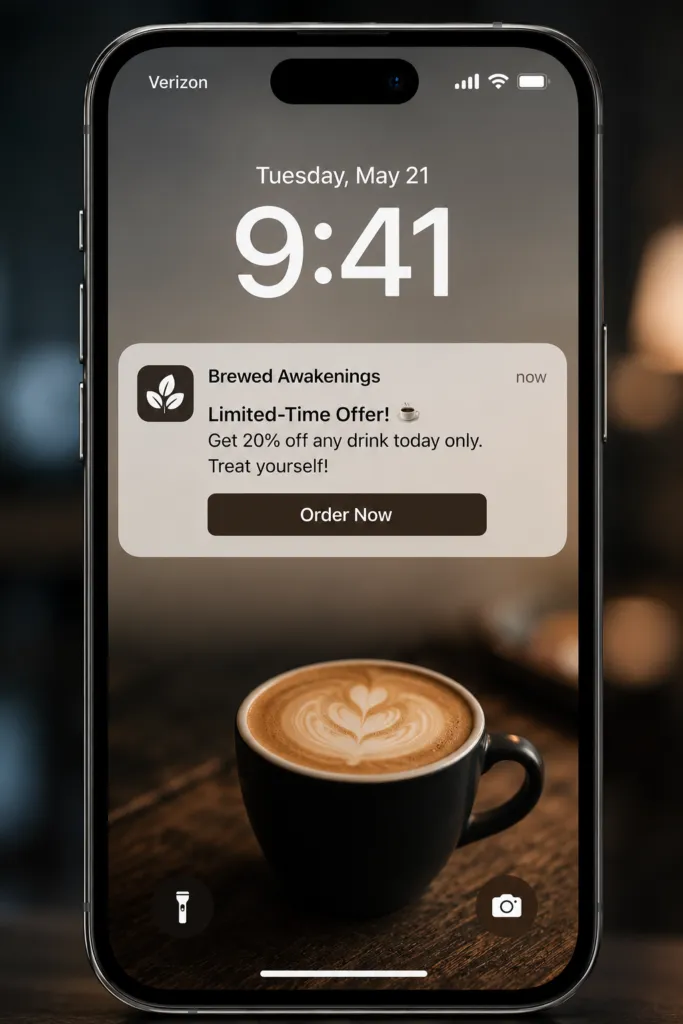
Push notifications, used correctly, are one of the most powerful tools in modern business. Push notifications, personalized offers, and in-app messaging keep your audience engaged and informed about your latest products, services, and promotions.
But the psychology behind why they work goes deeper than that.
A push notification arrives when your customer is not thinking about you. They are living their life. And suddenly, you appear. Not as an interruption they have to process. As a signal that something relevant is available. A limited offer. A booking reminder. A loyalty reward they have earned. A new product they have been waiting for.
The unconscious mind responds to relevance faster than it responds to anything else. When something feels like it was meant for you specifically, attention snaps to it without resistance.
This is why personalized notifications outperform generic ones by enormous margins. It is not because people like personalization as a concept. It is because the brain reads personalization as a signal that this information requires less evaluation to act on. Someone already filtered it for me. The thinking is already done. All I have to do is tap.
That tap is a purchase. A booking. A repeat visit. A relationship that compounds over time.
Your competitor’s website cannot send that notification. Their social media post might not reach your customer at all. Your app already has permission to speak directly into the device your customer checks a hundred times a day.
That permission is worth more than most businesses realize until they use it.
Repeat Business Is Not Accidental
The difference between a business that survives and a business that grows is not usually the first sale.
It is the second one. And the third. And the tenth.
Domino’s Pizza saw a 28 percent increase in UK online sales since creating their app. That number did not come from new customers alone. It came from existing customers who now had a faster, easier, more habitual way to order. The friction between craving pizza and having pizza was reduced to the point where the decision made itself.
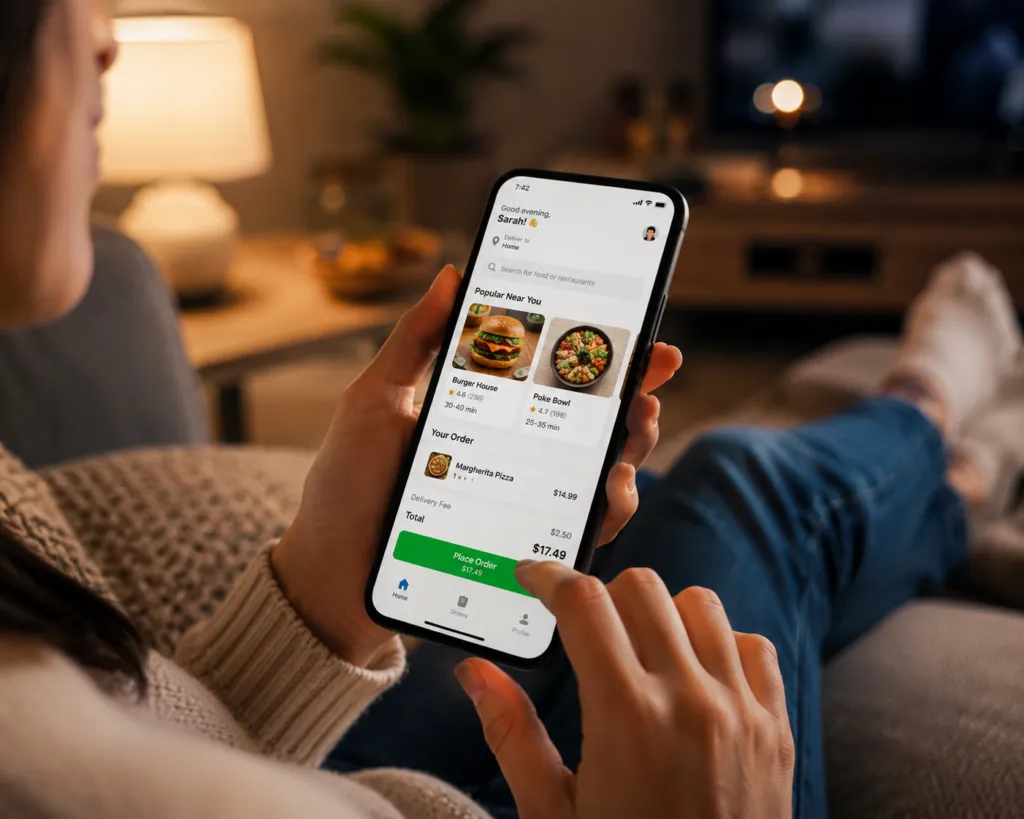
This is the mechanism behind every app-driven loyalty program. Features like loyalty programs, exclusive discounts, and personalized recommendations make customers feel valued, encouraging repeat business.
But the psychology is not just about rewards. It is about identity.
When a customer downloads your app, they are not just adding a tool to their phone. They are making a small but real declaration. This business is part of my life. This is where I go for this. The act of downloading creates a commitment the brain then seeks to remain consistent with.
Freud understood that the mind resists acknowledging when its choices were not entirely rational. Once someone has downloaded your app, they will rationalize using it. They will find reasons to return. Not because they are being manipulated, but because the mind naturally defends decisions it has already made.
Your app turns a casual customer into someone who has committed to a relationship with your brand. That commitment, even small, changes behavior in ways that a website visit never can.
Transactions Without Friction
Think about the last time you abandoned an online purchase.
Not because you changed your mind. Not because you decided you didn’t want it. Because the process was too many steps. Too many fields. Too many pages loading. Too much thinking at the point where all you wanted to do was pay and move on.
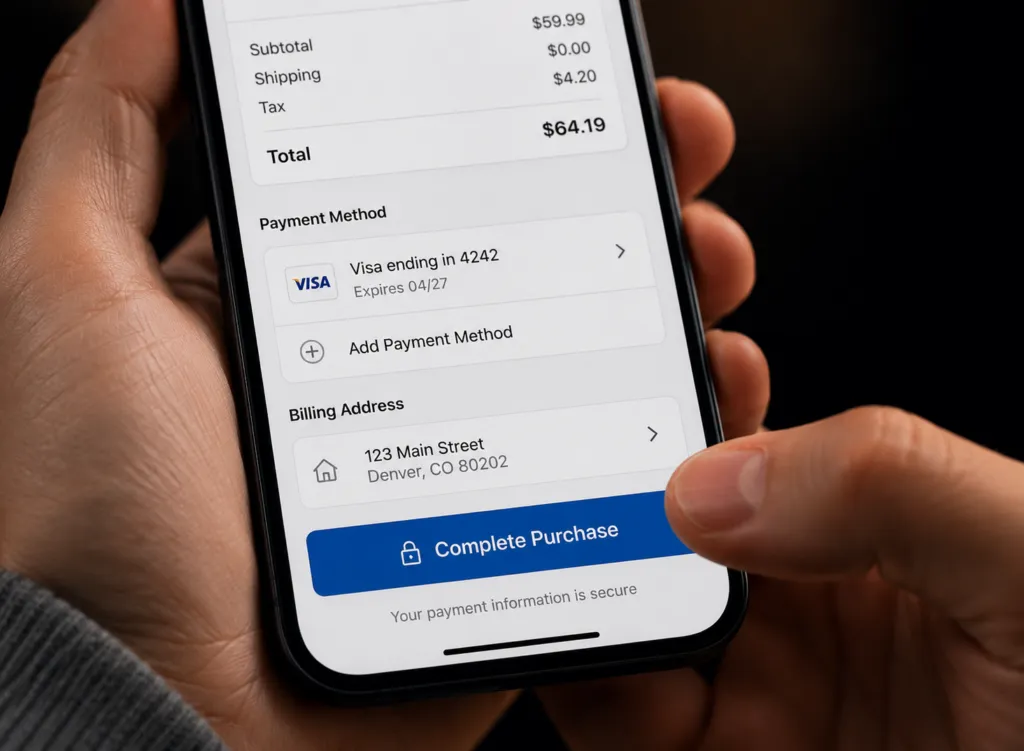
Prospects and customers can purchase directly through you, book appointments, or access support directly through the app, eliminating barriers that slow down sales.
An app stores your customer’s payment information, their address, their preferences, their history. The first time they use it, they set it up once. Every time after that, the friction is gone. Saved cards. Saved addresses. One-tap reorder. Appointment booking that syncs directly to their calendar.
The brain experiences this as relief. Not convenience as a feature. Relief as a feeling. And relief is what the unconscious mind searches for constantly. When your app provides it consistently, every transaction teaches the brain that choosing you is the lowest-effort path to getting what they want.
Low effort beats better product more often than any business owner wants to admit.
Apps can handle bookings, payments, and customer support, reducing the workload on your team. But that is only half the equation. The other half is what it reduces for your customer. When both sides of the transaction feel effortless, the relationship becomes self-sustaining.
Data That Actually Tells You Something
Your website tells you how many people visited. Your app tells you who they are, what they do, how long they stay, what they look at, what they ignore, when they come back, and what triggers them to buy.
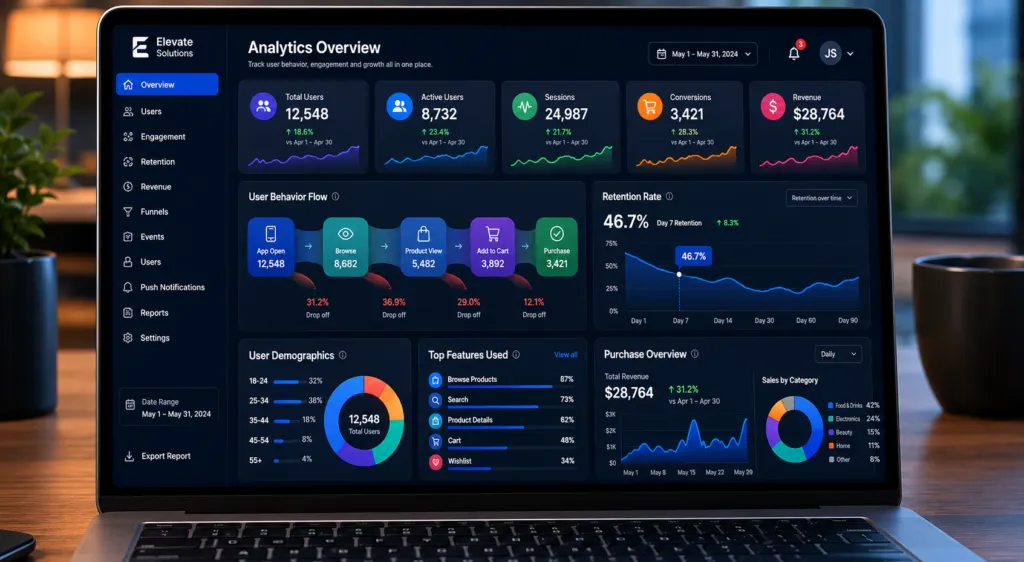
Mobile apps provide valuable insights into customer behavior, preferences, and purchasing patterns. This data can help you tailor your marketing strategies and improve your offerings.
This is not a technical advantage. It is a strategic one.
Every time you send a push notification and see who taps it, you learn something. Every time you run an in-app promotion and see which customers respond, you learn something. Every time you track what features customers use most versus least, you learn something your competitors without an app will never know.
The businesses that grow the fastest in the next decade will not be the ones with the best product or the most aggressive marketing. They will be the ones that understand their customers at a level that makes every interaction feel inevitable instead of accidental. That understanding comes from data. And data comes from an app that runs while you sleep, gathers information while you work, and shows you patterns your gut alone could never detect.
Visibility That Does Not Require Effort
Here is something most business owners miss when they think about app stores.
App store listings also attract new customers searching for your services.
When someone searches the App Store or Google Play for a business like yours, they find apps. Not websites. If you are not there, someone else is. And that someone else is collecting customers who were already looking for exactly what you offer, in exactly the format they prefer to use.
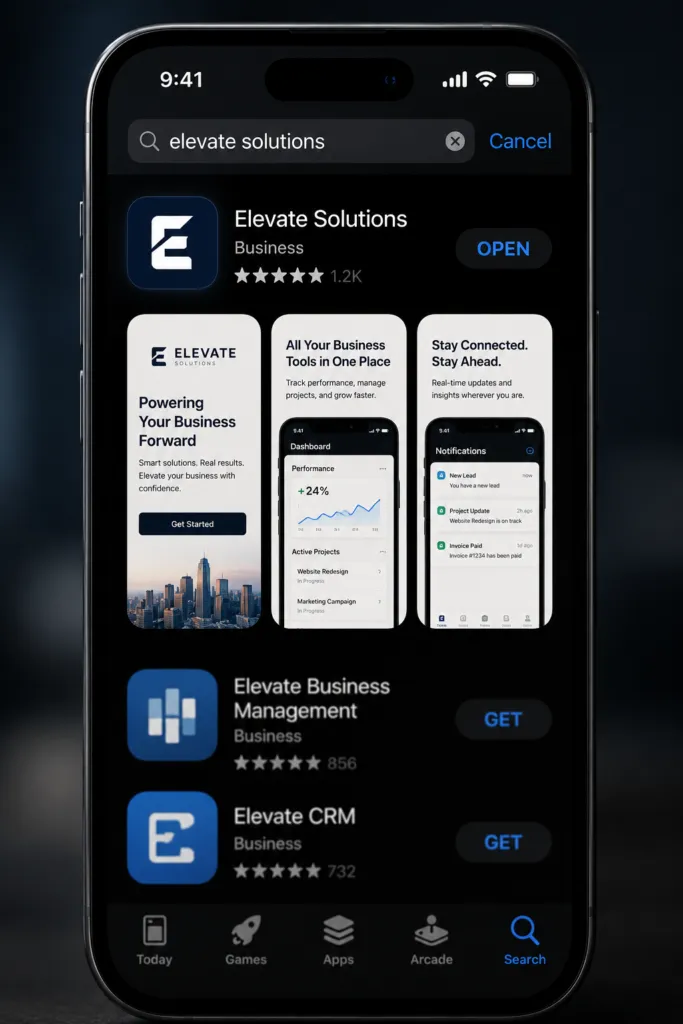
Having a mobile app sets your small business apart. In fact, 60% of consumers prefer apps over websites, making your business more accessible and competitive.
That preference is not arbitrary. It reflects how the brain actually works. Apps feel faster. They feel more personal. They feel like they were designed for the person using them rather than assembled for everyone in general.
When your customer has a choice between opening a browser and finding your site, or tapping your app and being immediately inside an experience built around them, their brain will choose the app. Not because it thought carefully about the decision. Because the app feels like less work.
Less work wins. Every time.
The Competitive Signal
There is one more thing an app does that none of the other benefits fully capture.
It signals something about your business that words cannot.

When a customer sees that your business has its own dedicated app, something shifts in how they perceive you. Not consciously. Unconsciously. Contemporary technology solutions will position your company as a forward thinker and a leader in your industry.
A business with an app looks established. It looks like it takes its customers seriously enough to build infrastructure specifically for them. It looks like it intends to be here for a long time.
A business without an app, no matter how good the product, signals something different. Not intentionally. But the signal is there. And the unconscious mind reads signals before it reads anything else.
Your customers will not explain this to you. They will not say they chose your competitor because the competitor had an app and you didn’t. They will say the timing wasn’t right, or they went with someone they already knew, or they found something that just felt like a better fit.
The real reason was decided before any of that logic was constructed.
You were less familiar. Less present. Less certain. And the mind chooses certainty when given the option.
An app is certainty. A website is a visit. A visit you might not make again.
The Business That Lives in Their Pocket
The question is not whether your customers are on their phones.
You already know they are.
The question is whether your business is there when they look.
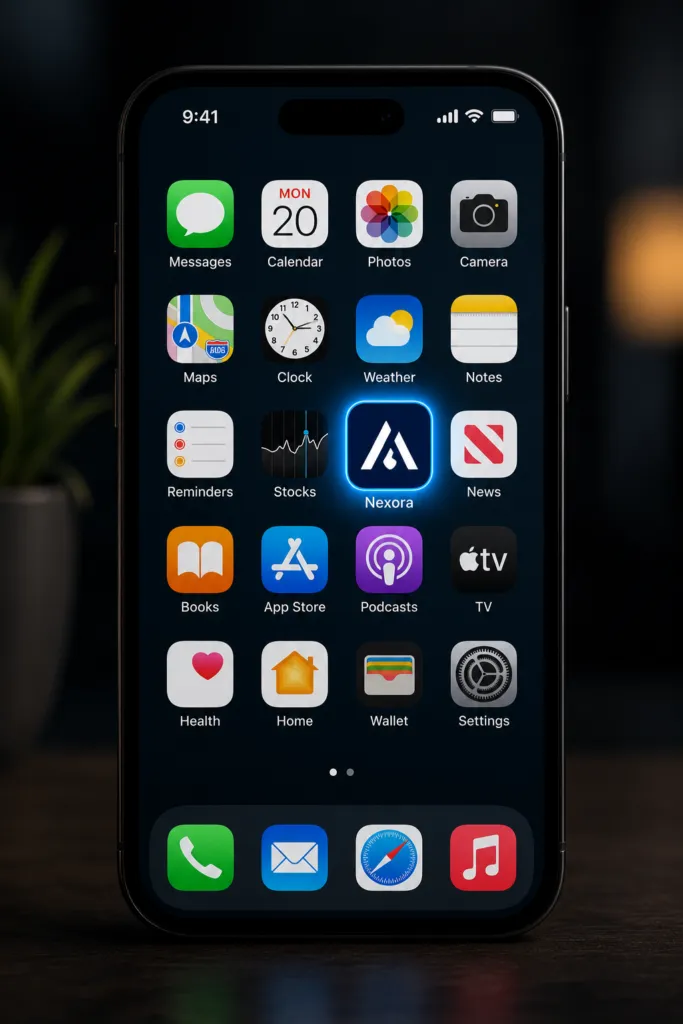
Not when they remember to search. Not when they happen to see your ad. Not when they stumble across your social post before the algorithm buries it.
When they look. Every time they look.
That is what an app does. It puts your business in their pocket. It keeps your brand on their screen. It makes every interaction faster, every transaction easier, and every reason to return more obvious than any reason to leave.
Your competitors are figuring this out.
Some of them already have.
The gap between the businesses that exist on their customers’ phones and the businesses that are still hoping to be found closes a little more every day.
The question is not whether to build an app.
The question is how much longer you can afford not to.
Amnis Beacon builds custom mobile app solutions for businesses ready to stop being found and start being permanent. Visit amnisbeacon.com to start the conversation.